
A Detailed Guide to Ensure Durability and Strength
The process of concrete pouring and curing is vital in construction projects. Proper handling ensures the material’s strength and durability, impacting the structure’s longevity. Knowing each step in this process can help avoid common pitfalls and improve outcomes. In this guide, we’ll explore the key aspects of concrete pouring and curing, from preparation to final touches, offering insights into achieving optimal results.
Importance of Planning Before Pouring
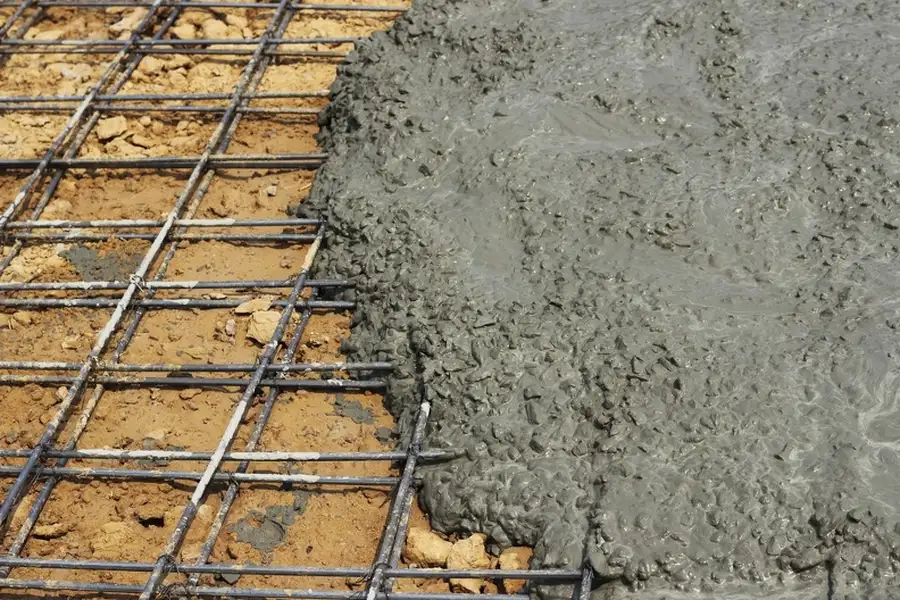
Before any concrete service project begins, planning is crucial. This includes assessing site conditions, choosing the right type of concrete, and scheduling the pour at a time when weather conditions are favorable. Proper planning helps prevent issues like setting too quickly or too slowly, which can affect strength.
Preparing the Site for Concrete Pouring
Site preparation involves clearing debris and leveling the ground. Ensuring adequate drainage is also important to prevent water accumulation that could weaken the concrete. Additionally, setting up formwork to hold the concrete in place during pouring is essential. Using quality materials for formwork affects the overall outcome significantly.
The Process of Concrete Mixing
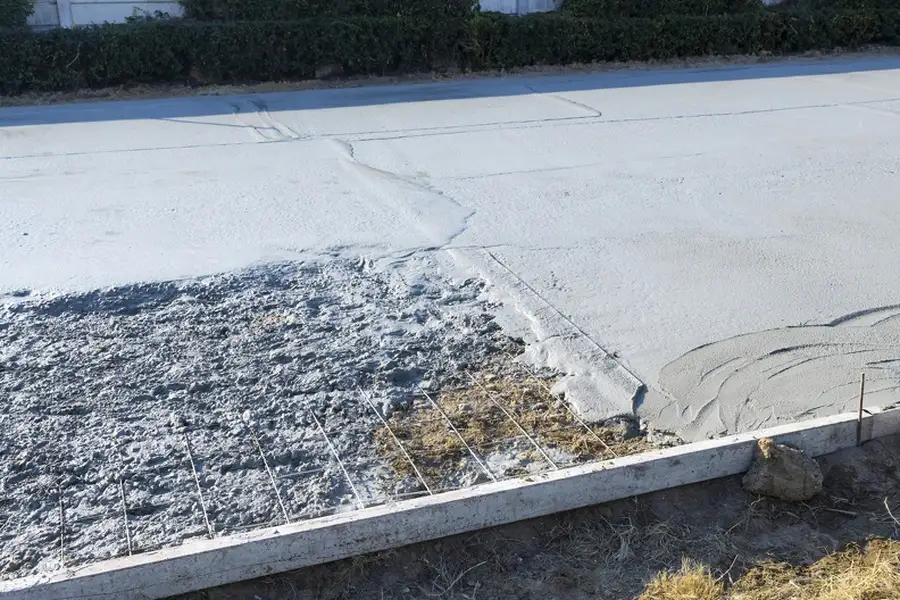
The mixing process is an integral part of a successful concrete service. It entails combining cement, sand, gravel, and water in precise proportions. This mixture must be homogenous to ensure consistent strength throughout the structure. The use of mechanical mixers can enhance efficiency and uniformity.
Pouring Concrete: Steps for Success
- Ensure readiness of site and equipment
- Begin pouring at one corner and move continuously
- Use tools to spread and compact concrete evenly
- Watch for air pockets and remove them promptly
- Smooth the surface with a float tool for finishing
Curing Concrete: Why It Matters
Curing is a critical phase that ensures concrete achieves its desired strength. This involves maintaining moisture levels after pouring. Without proper curing, concrete can crack or lose structural integrity. Common methods include covering with wet burlap or using chemical sealants.
Common Challenges During Curing
- Rapid evaporation due to heat or wind leading to cracks
- Insufficient moisture retention affecting hardness
- Poor environmental conditions slowing down curing time
Expert Tips for Effective Curing
Experts recommend monitoring temperature and humidity levels closely. Applying moisture-retaining covers immediately after finishing can minimize evaporation risks. Investing in high-quality curing compounds improves the finished product by locking in necessary moisture.
Cost Factors to Consider in Concrete Projects
When planning a concrete project, it’s essential to evaluate cost-related factors such as material quality, labor, and equipment rental. Higher initial investment in superior materials can save money long-term by reducing maintenance costs and extending lifespan.
Your Partner in Quality Concrete Solutions
If you’re looking for expert assistance with your next project, consider reaching out today. Located in Fort Walton Beach, FL, our team at Abraham's Concrete Service and More offers comprehensive services tailored to your needs. Contact us at (850) 318-9219 for reliable solutions that meet industry standards and exceed expectations.